Why Seniors Need Personal Training: Key Health & Mobility Benefits
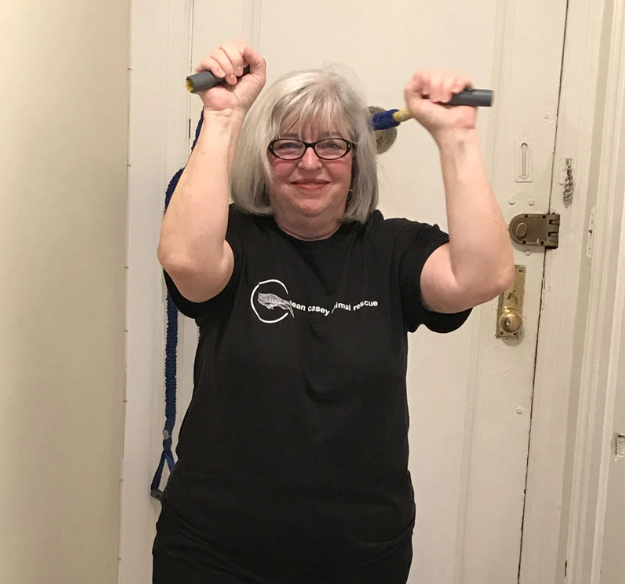
Seniors often reach that stage in life where daily tasks appear challenging; however, the desire to stay active and independent is strong. A strategic approach to daily fitness can help adults regain their strength, rebuild trust, and improve comfort in their bodies.
Personal training turns out to be the supportive pathway that guides safer movement and boosts confidence at every step. Those in search of gentle, goal-oriented guidance can considerably benefit when working alongside a personal trainer for seniors in Brooklyn.
Why Generic Exercise Programs Don’t Work for Seniors
- One Size Misleads
General exercise disregards joint restrictions and changing capacities that pose unwarranted dangers to the elderly. Elderly people need routines that suit the level of comfort, health history, and functional objectives.
- Limited Adaptability
There is no specific guidance in generic plans that would allow adults with different mobility difficulties to develop safely. A Personal trainer in Brooklyn makes the older people move with confidence and clear direction that changes with each milestone.
- Overlooks Conditions
Health problems like arthritis, balance problems, and postural changes require specific training. Ignoring them may decrease safety and inhibit long-term gains in aging adults.
Health & Mobility Benefits of Personal Training for Seniors
One-on-one training provides seniors with a structured approach that acknowledges physical changes while also opening the door to previously overlooked abilities. These advantages support realistic mobility and increased autonomy at home and away.
Strength Preservation
Gradual resistance exercises restore muscle that is lost to sustain stable limbs in day-to-day activities. The elderly experience increased ability to lift things, get out of chairs, or walk further distances without limitation. Strength growth also enhances joint stability that safeguards against undue pain.
Directed movement averts excessive challenges and enables gradual, safe progress. Through regular exercise, seniors build a reliable base that improves long-term physical confidence and daily movement.
Balance Stability
Specific balance exercises focus on coordination and increase the body’s responsiveness during movement. The elderly also feel more in control and can move around uneven surfaces, curbs, or tight spaces with more ease. When balance is improved, there is less risk of falls, and this promotes continued independence.
Guided exercises train the body to stabilize more effectively, which improves the comfort of standing and walking. Every session develops the flow of fluid and a stable confidence.
Joint Flexibility
Light body practices alleviate stiffness that tends to limit bending, reaching, or turning. The elderly enjoy better joint comfort, which enables them to participate in daily activities without fear. Regular flexibility work relieves surrounding tissue and promotes better posture throughout the day.
The more range of motion one has, the less demanding familiar movements become. These activities allow the elderly to reconnect with natural comfort that promotes enhanced comfort and long-term functional independence.
Posture Correction
Corrective exercises reinforce important muscles that maintain balanced positioning using the upper and lower body. The elderly enjoy easier breathing, greater ease during movement, and less tension on the neck or lower back.
Guided instruction helps the spine to rest in a normal position that promotes stability during standing or walking. Posture develops with time, which enhances confidence and encourages healthy movement in various daily activities.
Endurance Boost
The low-impact cardio also builds stamina without straining sensitive joints and overworking the body. The seniors enjoy enhanced energy that allows them to take longer walks, do household chores, or engage in recreational activities with ease. Increased stamina also leads to improved cardiac health and mental well-being.
Constant conditioning enhances motivation since improvement seems possible. As the regular sessions progress, aging adults find it easier to maintain smooth movement patterns and a new inclination to remain active on a regular basis throughout the week.
Cognitive Support
The synchronised movement patterns activate the brain circuits associated with memory, attention, and decision-making. After standard sessions, seniors usually feel more alert and more mentally active when it comes to doing the daily chores. Personal training presents sequences that demand attention, which reinforce the cognitive responses.
Such a mind stimulation fosters confidence and decreases perceptions of being slow. The interaction between physical activity and brain functioning is motivating to continue the exercise that promotes long-term cognitive resiliency and emotional stability.
Pain Reduction
Specific exercises alleviate tension around weak muscles and stiff joints that bring relief in daily activities. Light exercise enhances blood flow and promotes healing activities that alleviate pain. When pain-friendly routines are regularly trained, seniors tend to move more easily.
Directed methods will guarantee the use of safe transitions and considerate changes on a session-by-session basis. With time, the body adapts to it by moving more easily, which builds a good relationship with activity and increases overall functional comfort.
Tips for Seniors Starting Personal Training
- Start Steadily
Go slowly so as to build progress without coercion. Practice is a good way to build confidence in your sessions and trust your capabilities.
- Stay Consistent
Consistent attendance helps in permanent improvement. Even minor actions can result in significant transformations that will motivate seniors to keep seeking healthier movement.
- Communicate Clearly
Discuss any uncomfortable or troubling situations with your trainer to make changes to routines. Open discussion ensures secure development and individualized instruction in each session.
Conclusion
One-on-one training provides the elderly with a supportive environment where skills are nurtured through careful teaching and inspiring motivation. Each of the sessions will be an opportunity to rediscover strength, independence, and confidence. Moderate coaching can teach the elderly how to appreciate their bodies and to learn the pace of improvement. The trip establishes a good rapport with the movement and a new interest in healthier practices. Many elderly individuals discover that individualized care promotes happiness, comfort, and sustained wellness.
Most Read