
Interior Design Tips Using Eco-Friendly Furniture
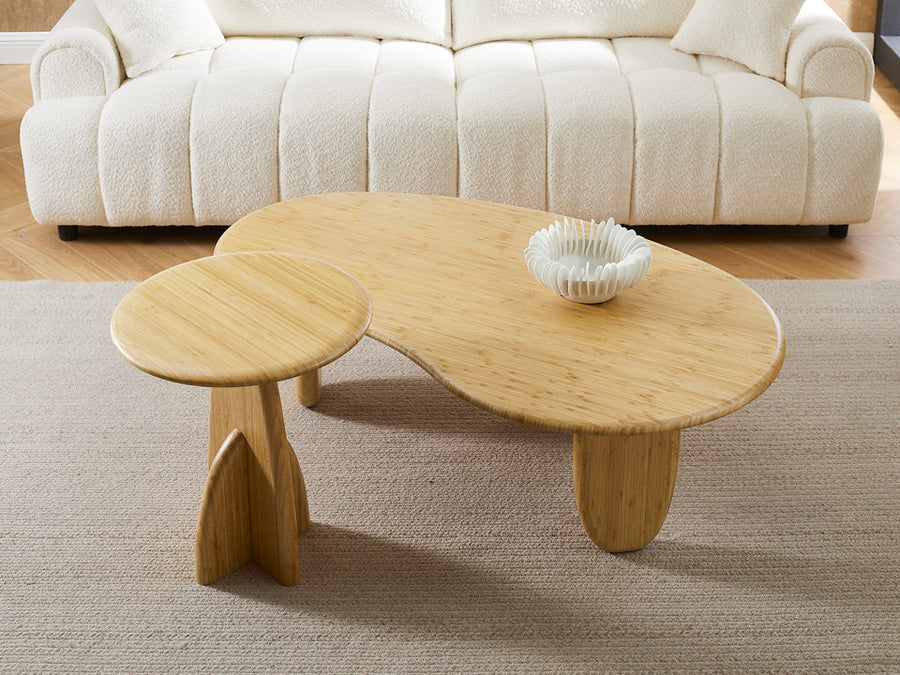
Sustainable interior design is no longer a niche, favorable orientation; it is a current in the world that shapes the modern house. Stylish without sacrificing sustainability, conscious consumers are exploring new ways to balance style with responsibility in their choice of furnishing. Whether it is recycled lumber or organic clothing, eco-friendly materials will make any home a better place to live. Your house ceases to be just a roof over your head; it turns into something of a declaration of importance. Each of your pieces can be a balance of form, functionality, and ethics, and begin right there with eco-friendly furniture.
Innovative Strategies for a Sustainable and Stylish Home
This section provides effective, cosmetic, and valuable suggestions on how to introduce sustainable elements into the structure of your house.
Choose Sustainably Sourced Materials
Sourcing matters as much as style. A home with furniture made of FSC wood, bamboo, or reclaimed wood aids in the conservation of forests, complemented by beautiful pieces of nature. Every knot, grain, every texture shares the tale of a second life that is being utilized with a sense of responsibility given to that material.
In addition to the aesthetics, these decisions contribute to healthy ecologies and reduce dependency on irresponsible logging activities.
Mix in Capsule Pieces from Varier
Individuals who prefer innovation and sustainability would appreciate the ergonomic design of various furniture, which exudes a Scandinavian aesthetic. The varier furniture features include cantilever-tipped chairs, legendary kneeling chairs, and dynamic stools, all designed to enhance posture and provide long-lasting comfort.
Not only is their decision a health investment, but they are also very ecologically conscious of sustainable materials being used in their designs, and are durable enough to sustain years of use.
Prioritize Non-Toxic Finishes and Fabrics
Air quality often gets overlooked in design conversations. Choosing a low-VOC or zero-VOC finish would imply fewer toxic substances in your domestic space.
Organic cotton, linen, or hemp upholstery is soft next to the skin as it avoids the pollutants that can be present in most synthetic materials. It is an advantage to your health and your décor to establish a toxin-free zone.
Embrace Upcycled or Vintage Finds
Every vintage or upcycled piece carries a unique narrative. An old, much-beloved dining table can be sanded back to expose latent character, and a vintage armchair can be dusted off with environmentally sustainable re-upholstery.
Not only do these pieces cut down on waste in the landfill, but they also provide visual depth you can never achieve with the “typical” mass-produced furniture. It’s an approach where charm meets conservation.
Balance Minimalism with Functionality
Minimalist design aligns naturally with sustainability when done thoughtfully. Selecting a few or minimal items that are of better quality avoids overcrowding and unnecessary purchases. An elegant tabletop that doubles up as storage or a minimalistic sofa/fold-up bed does not compromise on style.
This technique allows all items to acquire their space without creating a room that lacks harmony and openness. Minimalism is complemented by functionality when the interior assumes breathing space and helps to maintain a deliberate, environmentally friendly way of life.
Opt for Durability and Timeless Design
A genuinely sustainable purchase lasts. Sturdy frames made of solid wood, strengthened joints, and classic silhouettes will allow your pieces to look fashionable and practical for years to come.
Styles can change, but a classic sofa or dining collection can fit into several periods of design. Quality that lasts long means replacement is not a frequent occurrence, reducing wastage by far.
Support Brands with Transparent Ethics
Many brands are increasingly opening their doors and showing us exactly where and how they source, produce, and treat their labor. Find brands that provide detailed information on their material sourcing, manufacturing processes, and green initiatives.
Such transparent operations give you the choice to purchase according to what you believe is right, so that every dollar counts for a better world.
Layer Natural Textures for Warmth
Natural fibers add an inviting depth to interiors. Eco trade options like jute rugs, hemp throws, and rattan baskets add color, texture, and complement eco-friendly furniture choices.
These layers not only tenderize more complex surfaces but also create comfortable spaces, ensuring your house is tied to the beauty of natural materials. It is a convenient method of enhancing the atmosphere, retaining an environmentally sound focus.
Keep a Circular Mindset
Design doesn’t end at purchase—it’s an ongoing cycle. When selecting products, choose those within the brand that offer a repair program, buy-back program, or products with recyclable parts to prolong usability and minimize waste.
Even holding furniture swapping gatherings with friends may reinvigorate furniture no longer suited to your own home. This way of thinking is changing design to a sustainable progression as opposed to a single project.
Conclusion
Sustainable spaces, synonymous with good style, welcome comfort and conscience into everyday living. Being around your sensibly chosen objects will help provide an atmosphere conducive to your well-being and honor the resources of the planet. The well-designed home is more than just a stage; it becomes an integral part of your memory and embodies what you believed in. Trends change, responsibility will never go out of fashion and style, particularly when you base your preferences on eco-friendly furniture.
Most Read