How to Choose the Right Crane for Heavy Loads
When it comes to heavy lifting projects, it is crucial to choose the right crane. The type of crane required will depend on the weight of the load, the height of the lift, the jobsite conditions, reach, mobility, and the duration of the job. Relying on the maximum capacity of the equipment can cause extra hassle; it is important to consider all equipment lifting needs before choosing.
When it comes time to plan construction projects, industrial lifting, equipment installation, or any other heavy-duty project, it is helpful to know the different types of cranes available.
Start With the Load Requirements
The first thing to do is to consider the type of lift that is required. Note the weight, size, shape, and center of gravity of the load.
The capacity of a crane may be different based on the lifting configuration, operating radius, and boom length. Therefore, the overall lifting needs should be calculated, not just on the crane’s headline lifting capacity.
The rigging equipment, lifting accessories, and any other weight to be hoisted must also be taken into consideration.
Determine the Required Lifting Height
Another consideration is the lifting height. A multi-story building might need a different crane setup than a ground-floor industrial installation.
Think about the height that the load will need to be lifted, the height of surrounding buildings, and, if required, the crane will have to lift the load to a particular height.
The longer boom doesn’t necessarily mean the better the crane. The necessary boom length should always be taken into account in conjunction with the load capacity and operating radius.
Consider the Working Radius
Working radius is the horizontal distance between the load and the center of rotation of the crane.
The lifting capacity of the crane may vary with the increase of the working radius. Making accurate measurements of the site is crucial prior to a selection of equipment.
Determine where the crane will be positioned and where the load will be picked up and placed. These measurements can be used to determine the configuration of the crane that is needed for the project.
Understand Different Crane Types
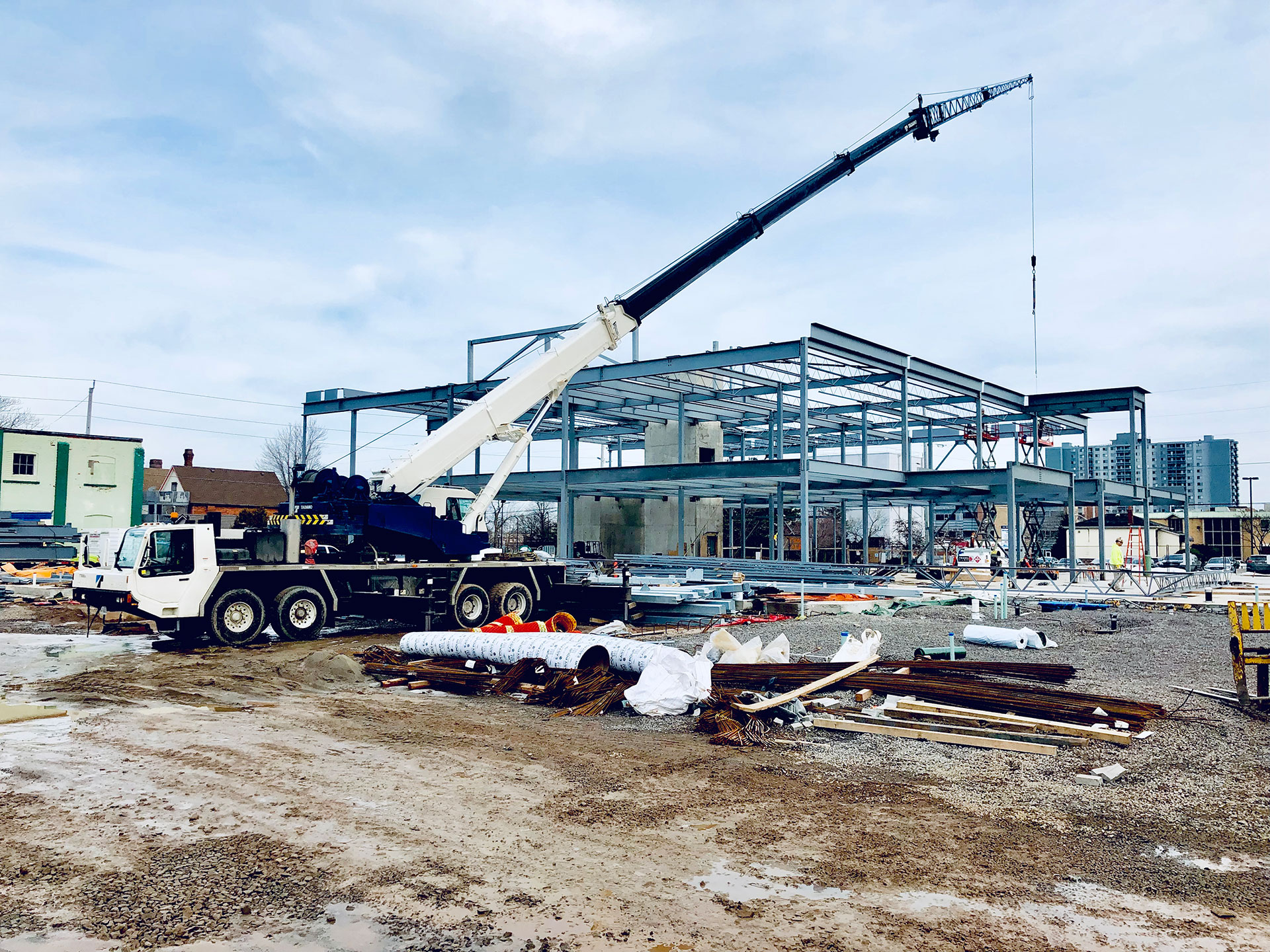
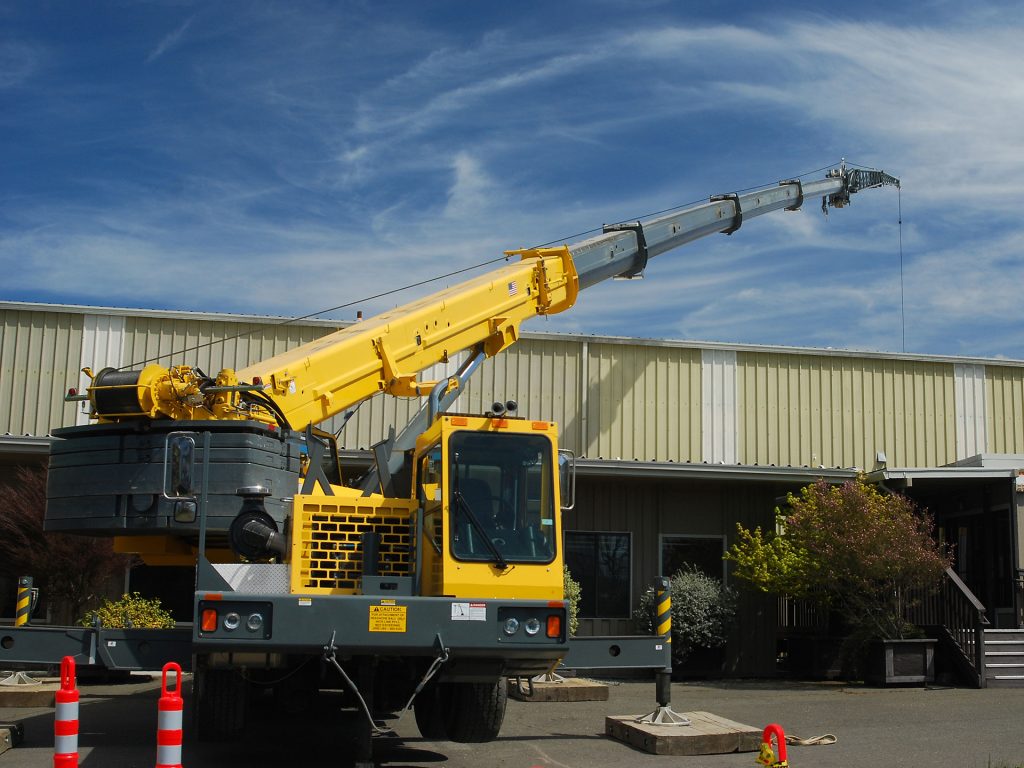
Various cranes are used for various purposes. Mobile cranes are frequently used when moving equipment from one site to another or when moving equipment around a jobsite.
Tower cranes are typically used in large construction sites where there is a need for extensive lifting and reach. Rough terrain cranes may be necessary for uneven outdoor jobsites, and crawler cranes can be found in certain heavy lifting applications for stability.
Crane rental can also offer access to appropriate equipment for a given project time frame when permanent crane equipment is not needed.
Evaluate the Jobsite
The type of crane to be used can be greatly affected by conditions on the jobsite. Before purchasing equipment, consider the space available, soil quality, access, overhead hazards and power lines, buildings, and other structures.
There should also be adequate space for the crane to set up and operate. Some equipment may need outriggers or other stabilizing systems; therefore, the available footprint should be taken into account for planning.
The capacity of the crane to lift a certain amount is not the only factor to consider for projects in tight spaces; the size and movement ability of the crane are also critical.
Think About Mobility
In situations where lifting needs vary throughout a jobsite, mobility is of great importance.
A mobile crane can offer flexibility if the crane requires repositioning between various lifts. When the equipment is to be used in a certain area for a long time, a different type of crane could be more suitable.
Think about how often the crane will have to move and if there are any access paths to the site to move the crane.
Consider Project Duration
The size of your project may affect your decision on whether to rent or buy equipment.
If the company requires specialized equipment for a short-term construction, maintenance, installation, or industrial project, then hiring a crane can provide the necessary resources without the need for a long-term investment.
Depending on the changing project requirements, different sizes of cranes may be available for rental too. Talk to the rental company about the length and when you will need to lift the project to make equipment available.
Work With an Experienced Crane Service Provider
It can be made easy to choose equipment with the help of professionals. A professional crane service in Toronto will evaluate the load specifications, jobsite environment, lift radius, required height, and various factors prior to making a recommendation on equipment.
They may also be responsible for coordinating transportation, setup and operation, and other project needs, depending on the services they provide.
When asking for equipment recommendations, be sure to give correct project information. Key information should contain load weight, size, lift height, installation site, and access to the jobsite and anticipated operating environments.
Final thoughts
When deciding on a crane for heavy lifting, it is not just about picking the biggest machine. The proper equipment depends on load weight, lifting height, working radius, jobsite conditions, mobility, and project length.
Crane rental in Toronto can be used for short-term or special projects to access equipment that meets specific lifting needs. Having an experienced crane service provider to work with you can also help you assess the site and the crane configuration that is just right for you.
Most Read