How do You Detect Hidden Water Leaks in a Property?
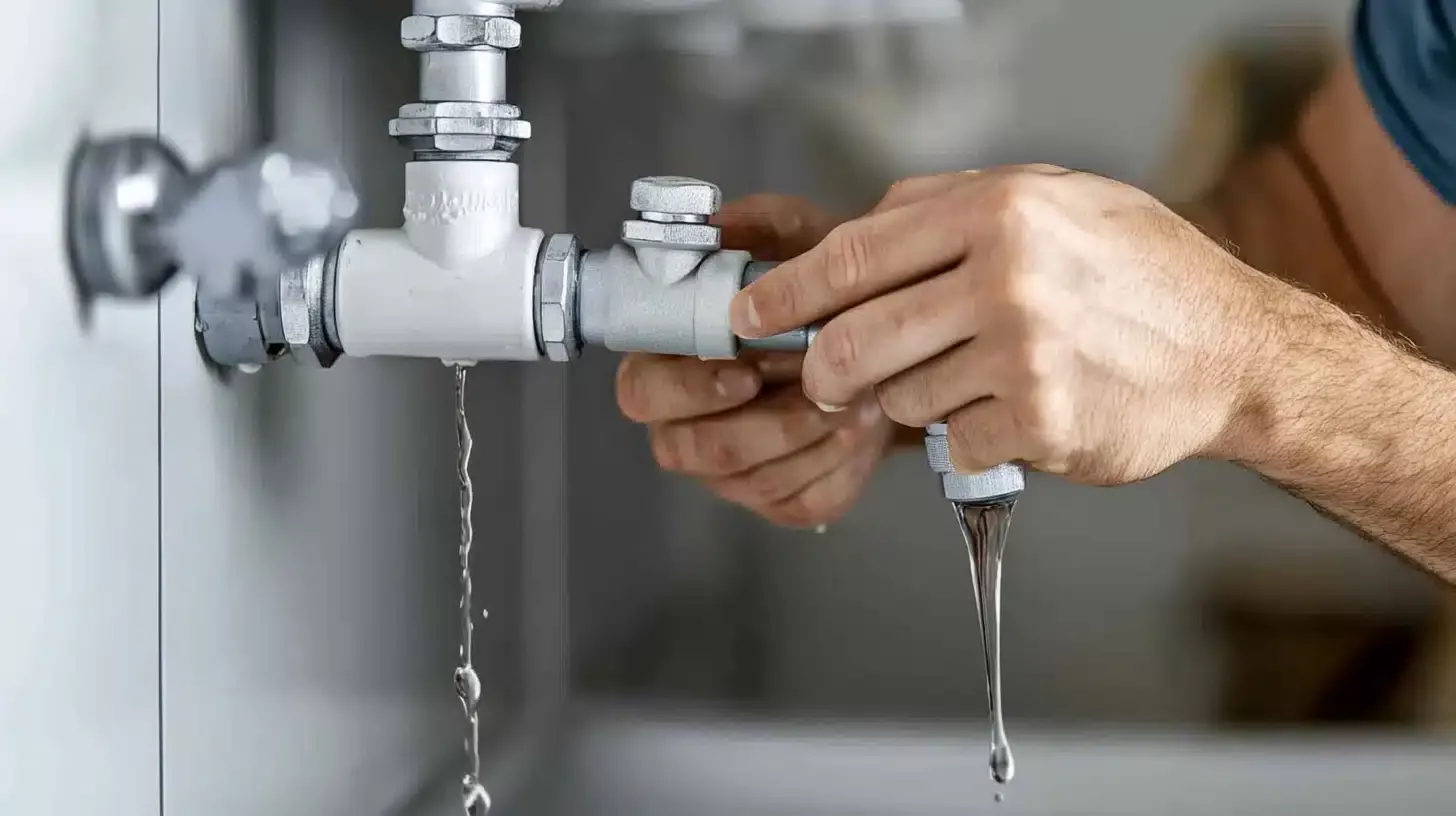
Hidden water leaks can be one of the most challenging plumbing issues for property owners. While many leaks are easy to spot, such as a dripping faucet or pipe, hidden leaks can be found behind walls, under floors, in ceilings or underground. They are not obvious and may persist for weeks or months before they are found.
A leaky faucet or toilet could contribute to increased bills, structural damage, mold growth and expensive repairs if it isn’t noticed. Knowing the signs and how to detect them can make it easier for homeowners and property managers to detect a problem in the early stages and to arrange a professional leak repair in time to avoid more serious damage.
Why Hidden Water Leaks Are Difficult to Find
A lot of plumbing pipes are placed within walls, under concrete slabs, in crawl spaces or underground. If a leak occurs in these hidden places, water can travel a long distance from the leak before showing up.
As a result, the location where you notice water damage is not always where the leak actually exists. This is the reason why hidden leaks must be carefully investigated and special detection methods used.
Watch for Unusually High Water Bills
A large water usage spike is one of the most common signs of an undetected water leak. If you have not changed your use of water but your bills have risen considerably, a hidden leak could be to blame.
Pay attention to:
Unexpectedly high water bills
Increases over a number of billing periods
Higher-than-normal consumption readings
Regularly checking utility bills can help you spot issues before they escalate to a major problem.
Check Your Water Meter
A water meter test can be used to pinpoint the location of water loss in your plumbing.
To conduct simple tests:
Shut all water valves and water appliances.
Make sure that nobody is using water in or around the home.
Note the meter reading of the water meter.
Do not use water for 1-2 hours.
Take another reading from the meter.
If the reading increases without water use, there might be unnoticed water leaks and a plumber should be called in for a thorough inspection.
Look for Water Stains
Water stains can be signs of water buildup behind walls or ceilings.
Common signs include:
Yellowing or yellow-brown colors
Bubbling paint
Peeling wallpaper
Stained ceiling panels
Damp drywall
Stains do not always indicate the precise location of the leak, but they can give very useful clues that there is a leak and it needs to be investigated further.
Watch for Mold and Mildew Growth
Persistent moisture creates an environment where mold and mildew can develop.
Signs of hidden moisture include:
Musty odors
Black marks on walls or ceiling
Persistent dampness
When mold keeps coming back after cleaning, it is possible there is a hidden plumbing problem providing moisture behind surfaces.
Ongoing moisture exposure can be minimized with timely leak detection and repair.
Pay Attention to Changes in Flooring
Over time, leaks under flooring materials may be detectable.
Watch for:
Warped hardwood flooring
Buckling laminate surfaces
Loose tiles
Soft spots underfoot
Damp carpet areas
These symptoms can be a sign of water seepage under the surface of the floor.
Listen for Unusual Sounds
Sometimes plumbing leaks make noise when the water fixtures are turned off.
You may hear:
Dripping inside walls
Running water sounds
Hissing noises
Trickling water
If these sounds are heard while the water is not running, it could be a good idea to call in a professional plumber in Upper Hutt for a more in-depth inspection.
Inspect Exterior Areas
Leaks can be hidden outside of a building. Other places that can develop leaks are underground pipes and outdoor plumbing systems.
Exterior leaks can be detected by the following:
Abnormally green turf areas
Constantly wet soil
Sinkholes or depressions
Standing water
Erosion around property
These conditions may be an indication of a leak in underground water lines, which should be addressed.
Check Water Pressure Changes
Sometimes a hidden leak may impact a home’s water pressure.
Possible symptoms include:
Weak shower pressure
Slow-filling fixtures
Low flow at taps
Inconsistent water delivery
Low water pressure can be caused by several things; however, one of them could be a leak in the system.
Monitor Hot Water Usage
They might be harder to spot with water heaters because water leaks out and is concealed around the water heater or in pipes it’s connected to.
Warning signs include:
When there is less hot water available
Water accumulations around the heater
Unusual noises from the system
Increased energy bills
These issues can be detected in the early stages with regular checks.
Water leakage can happen in a variety of places.
Common Locations for Hidden Water Leaks
These include:
Behind bathroom walls
Under sinks
Beneath concrete slabs
Around water heaters
Inside ceilings
Close to washing machine connections
Underground service lines
Periodic checks of these areas will help to detect emerging problems.
Why Early Detection Matters
Leaks, however small, can add up to:
Water waste
Property damage
Mold growth
Structural deterioration
Increased repair costs
With the early detection and professional repair of the leak, these potential hazards can be reduced and the property’s long-term health preserved.
h2>Final thoughts
Water leaks are hard to identify because they may be hidden behind walls, under floors or underground. Some indicators to look for can be higher water bills, water stains, mold growth, strange noises, damp floors, and fluctuations in water pressure, but, of course, these can also occur for other reasons.
Property owners can help catch the problems earlier by being aware of the early warning signs, conducting regular inspections, and monitoring water meters. If you suspect a hidden leak, a professional plumber will have the tools necessary to find the leak and determine the best way to leak repair in Upper Hutt. Early detection not only saves your home but can also prevent future plumbing and structure problems.
Most Read