Does Laser Tattoo Removal Leave Scars?
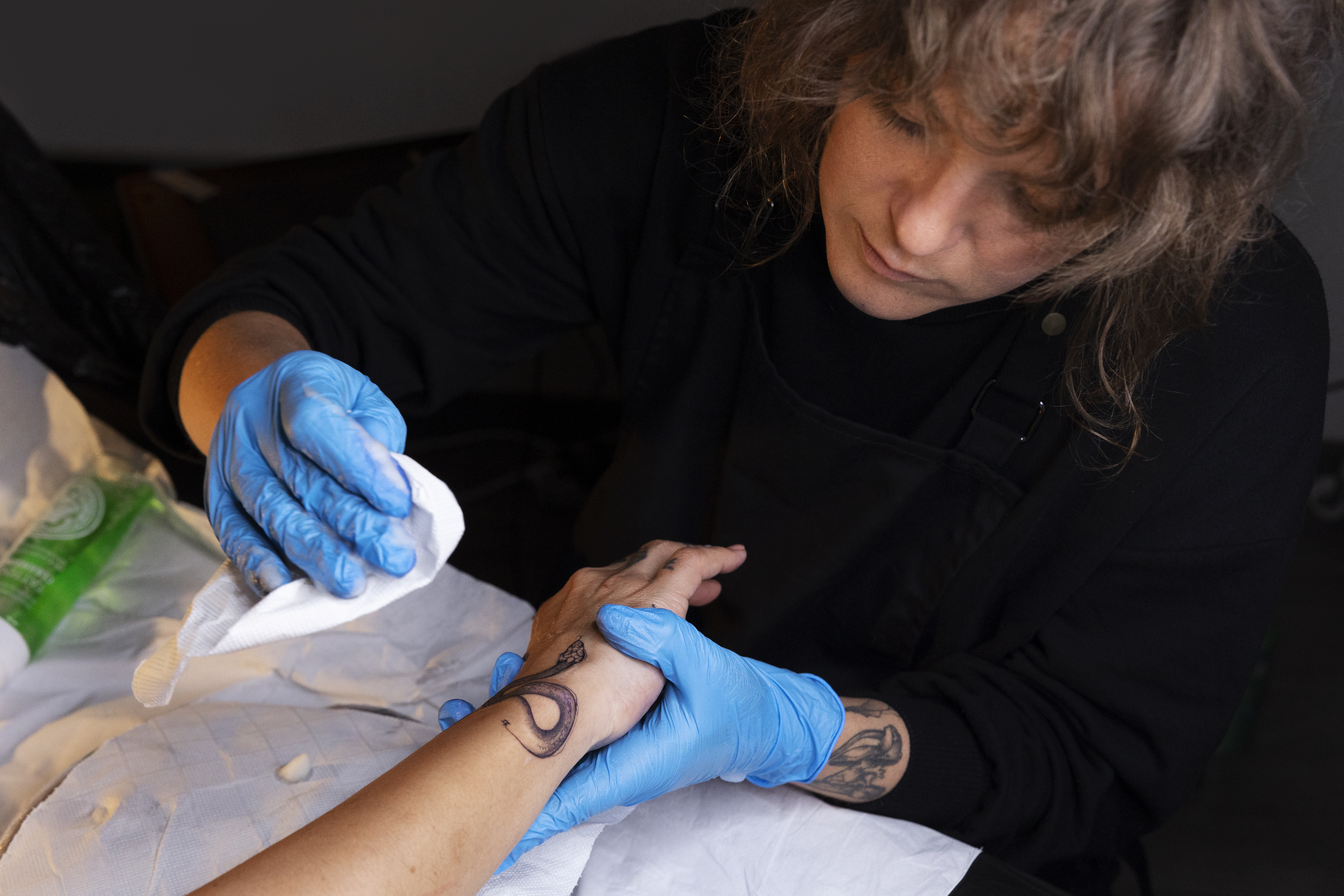
The technique of tattoo removal has gained popularity because more individuals seek a solution to fading or removing their tattoos. Among the different methods used to achieve the desired effect, laser tattoo removal is considered the most reliable and safe. However, a frequently asked question when considering such a procedure concerns the probability of leaving scars. Information on the principles of laser tattoo removal, factors affecting its effectiveness, and skincare techniques might be helpful.
The Principles of Laser Tattoo Removal
Laser tattoo removal makes use of the latest light technologies to destroy the ink particles located under the skin. High-intensity light is produced by the laser device within a short time period. As a result, the laser beam targets the ink particles while leaving the surrounding cells unharmed. The ink particles then disintegrate and are eliminated by the body’s immune system.
The procedure is carried out in several sessions, separated by several weeks of healing time. The process is accurate and controlled; hence, the risks of any permanent damage to the skin tissue are minimal compared to the earlier methods. These procedures are conducted in several sessions, separated by several weeks. The procedure is precise and controlled, and therefore there is minimal danger of skin tissue damage compared to earlier methods.
Is There Any Risk of Scarring with Laser Tattoo Removal?
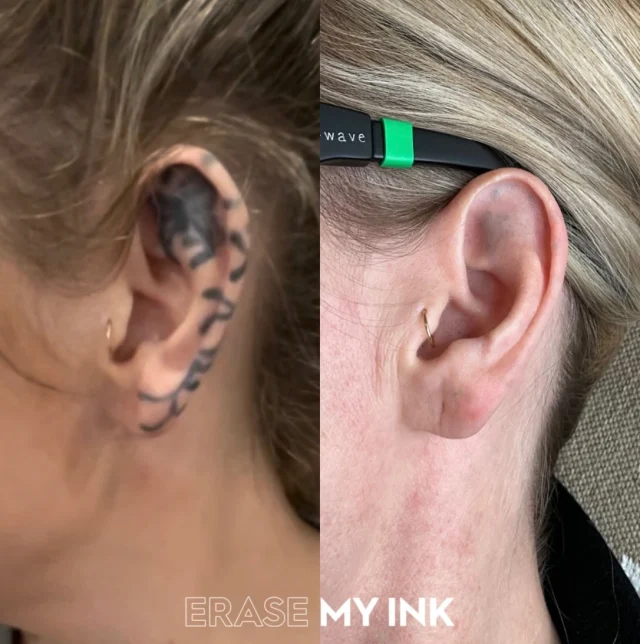
Performed by an expert under ideal circumstances, laser tattoo removal in Burlington will not cause any scarring. The modern devices used to remove tattoos were made specifically with that purpose – damaging only the tattoo ink.
But some factors can cause scarring, including the following:
- Using improper parameters of the device or an incompetent practitioner
- Prior scarring as a result of the tattoo procedure
- Picking up on the skin and neglecting the after-care instructions
- The development of an infection due to improper care during healing
Most often, minor irritations such as redness or swelling are considered natural stages in the healing process and will never turn into scar formation.
What Factors Contribute to Risk of Scarring?
Skin Type
People have different skins, which will react differently to laser procedures. Those who have sensitive skin might suffer more complications, but there is no guarantee for scars.
Characteristics of Tattoos
The dimensions, coloring, depth, and age of the tattoo influence the response of the skin. Generally, the older the tattoo, the simpler it is to remove. Tattoos that are darker in tone or go deeply into the skin layers need several sessions. Therefore, the quality of the aftercare procedure becomes highly essential.
Professional Expertise
It is important to select an experienced and skilled person for the procedure since professional assessment of the condition of the skin, optimal laser settings, and appropriate techniques reduce the risks related to the procedure.
Post-Treatment Care
Post-treatment procedures play one of the leading roles in ensuring successful healing and avoiding scaring after the treatment.
What to Expect During Healing
After the treatment, the patient may experience several mild adverse effects such as erythema, edema, and the formation of small blisters on the skin. These signs are transitory and disappear in a few days to several weeks.
Moreover, there can be some sensitivity of the treated area, which resembles the sensations experienced during sunburn. Peeling and forming scabs belong to the natural stage of recovery and should be considered normal. The individual should refrain from picking or scratching the skin.
Ways to Minimize Scaring Risk
Observe All Given Aftercare Tips
Adhere to all instructions on how to care for the area post-treatment. It might include keeping the area clean, using topical medications recommended by your practitioner, and protecting the area from the sunlight.
Protect Your Skin from the Harmful Effects of UV Light
Sunlight can hamper the process of healing and even cause discoloration. Protect yourself from sunlight and wear clothes that cover the treatment site whenever possible.
Don’t Scratch the Area
The skin needs time to heal itself; do not tamper with the process. Do not scratch or pick any blisters or scabs.
Keep Your Skin Well-Hydrated
Skin hydration and proper skincare may also contribute to the process of recovery after laser tattoo removal.
Laser Tattoo Removal vs. Traditional Tattoo Removal Techniques
Traditional tattoo removal procedures, including dermabrasion or surgical excision, have a greater likelihood of causing scarring than laser tattoo removal does. Unlike other tattoo removal methods, laser tattoo removal does not involve an invasive process that could damage the patient’s skin. This makes laser tattoo removal the best choice for those who want to get rid of tattoos.
When to Seek Professional Advice
It is necessary to inform your tattoo artist about unusual symptoms like swelling or pain, which might indicate an infection, immediately after undergoing a laser tattoo removal procedure.
Final thoughts
In most cases, scarring will not happen after laser tattoo removal because the treatment is relatively safe when performed by a skilled professional and with appropriate after-treatment care. While there is always a small risk, modern techniques and advanced technology have made the process safer and more effective than ever.
Using the right technique and knowledge, scarring can be prevented, thus making laser tattoo removal in Burlington an ideal solution for those who want to remove a tattoo without causing any harm to their skin.
Most Read